US Road Rules vs Other Countries for New Drivers
Understand how US driving rules compare to other countries, focusing on speed limits, turning rules, and the right of way for new drivers.
On this page
Quick Answer
US road rules emphasize strict adherence to traffic signals, right turns on red, and safe speed. In contrast, regulations in other countries may vary significantly, particularly regarding speed limits and right of way.
Overview of US Road Rules
The US has specific driving rules that new drivers must learn to ensure safe navigation on the roads. Key aspects include traffic signals, signage, and expected driver behaviors, such as yielding to pedestrians. Failing to comply can lead to fines or severe repercussions. New drivers should focus on understanding local laws, as ignorance can result in accidents and legal issues.
Common Road Rules Differences
New drivers moving to the US from other countries might find the following rules to differ from their home country's driving regulations:
Speed Limits
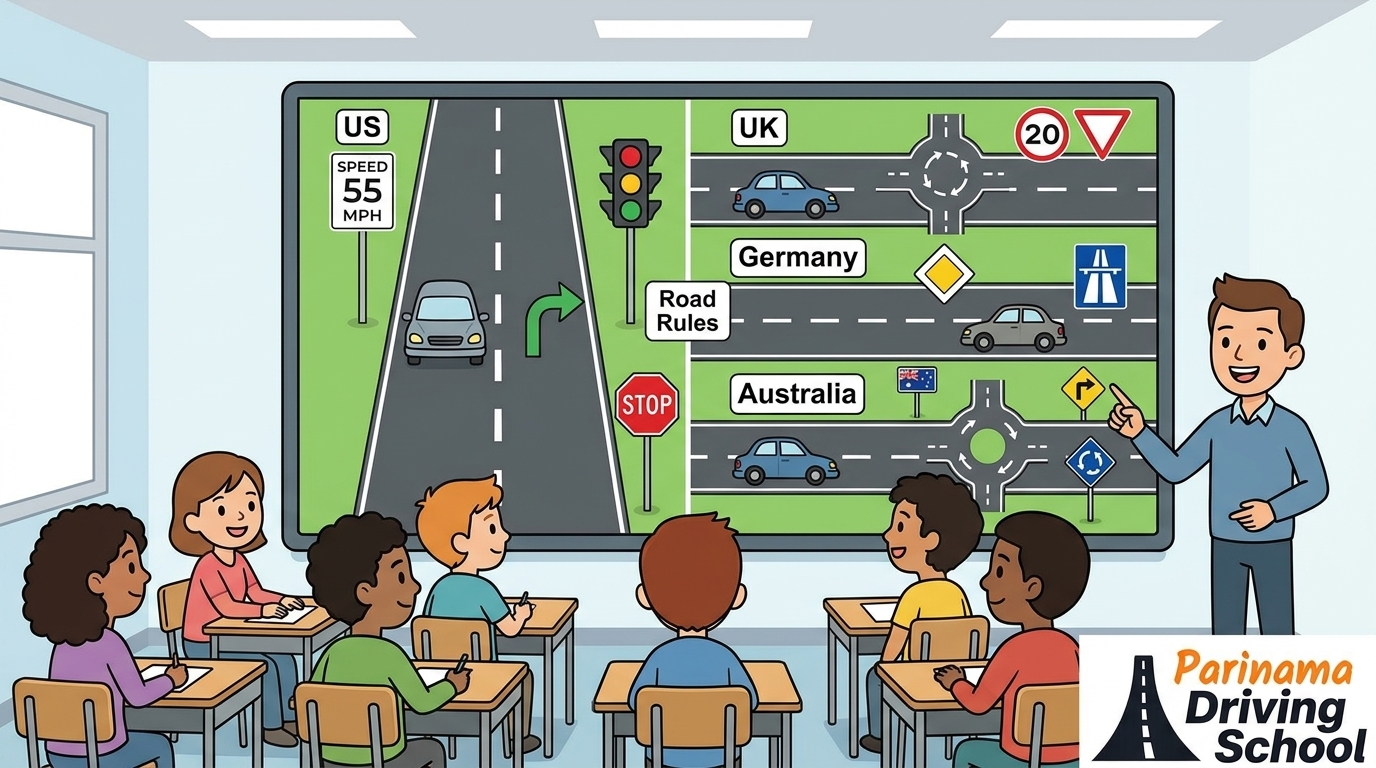
- In the US, speed limits are typically indicated in miles per hour (mph) and strictly enforced.
- Most highways have limits ranging from 55 to 75 mph depending on the state.
- Speed limits in urban areas are often between 25 to 35 mph.
- In some states, like Texas, there are certain areas with higher tolerance limits.
- In contrast, countries like Germany have no general speed limit on certain parts of the autobahn, placing greater responsibility on the driver to evaluate safe speeds.
Turning Rules
- In the US, turning right at a red light is generally permitted unless otherwise posted.
- This rule often surprises new drivers, particularly those from countries like Canada or the UK, where such actions are prohibited unless clearly signed.
- Not knowing this can lead to dangerous traffic violations.
Right of Way
- US law typically grants the right of way to vehicles making a left turn at traffic signals.
- In countries like Japan, the left-hand rule applies differently, often prioritizing vehicles traveling straight through intersections.
- It’s crucial for new drivers to learn these nuances to avoid accidents.
Specific Driving Regulations by Country
Driving rules can vary greatly from nation to nation. Below are several examples:
United Kingdom
- Driving on the Left: Vehicles drive on the left side of the road.
- Roundabouts: Roundabouts are common, with traffic already in the roundabout having the right of way.
- Speed Enforcement: Speed cameras are prevalent.
Germany
- Autobahn Rules: No general speed limit on certain highway sections.
- Priority to the Right: Vehicles coming from the right have the right of way unless otherwise marked.
- Environmental Zones: Restrictions in certain urban areas based on emissions.
Australia
- Road Signs: Standardized signs similar to the US, but driving is on the left.
- Alcohol Limits: Lower blood alcohol limits for learner and provisional drivers.
- Roundabouts: Yield to traffic on the roundabout.
Comparison Table of US and Other Countries
| Rule Category | US | UK | Germany | Australia |
|---|---|---|---|---|
| Driving Side | Right | Left | Right | Left |
| Speed Limit | 55-75 mph | Mostly 70 mph on motorways | No general limit (variable) | 62 mph on highways |
| Right Turn | Allowed at red light | Not allowed unless signed | Depends on intersection rules | Allowed at red light |
| Road Signs | Varied local/state signs | Standardized | Standardized | Standardized |
Checklist for New Drivers
- Familiarize yourself with local driving laws.
- Understand speed limits in various areas.
- Learn the rules for turning at intersections.
- Know the right of way rules.
- Prepare for differences in road signs and signals.
- Consider studying a driving handbook or taking a local driving course.
Summary
Understanding the road rules in the US compared to other countries is essential for new drivers. Key differences in speed limits, turning rules, and right of way can greatly affect safety and compliance. It is crucial for new drivers to familiarize themselves with local traffic laws to navigate safely and avoid unwanted consequences.
Call to Action
If you're a new driver or planning to relocate, research local driving rules and consider taking a driving course to enhance your knowledge and safety on the road.
Frequently asked questions
- What is the impact of road rules on new drivers?
- Knowing the road rules helps new drivers avoid legal repercussions and accidents.
- Are there risks associated with unfamiliar road rules?
- Yes, unfamiliarity can lead to traffic violations or accidents, which can have serious consequences.
- How can new drivers ensure they're following the right rules?
- New drivers should study driving manuals and consult official transportation websites specific to each state or country they plan to drive in.
Written by
Parinama Driving School Team
Parinama Driving School is a Texas DPS–authorized driving school in Austin & San Antonio, helping adults, teens, and new residents get licensed with behind-the-wheel lessons and third-party road tests, 7 days a week.
Book a lesson with our instructorsRelated Texas driving guides
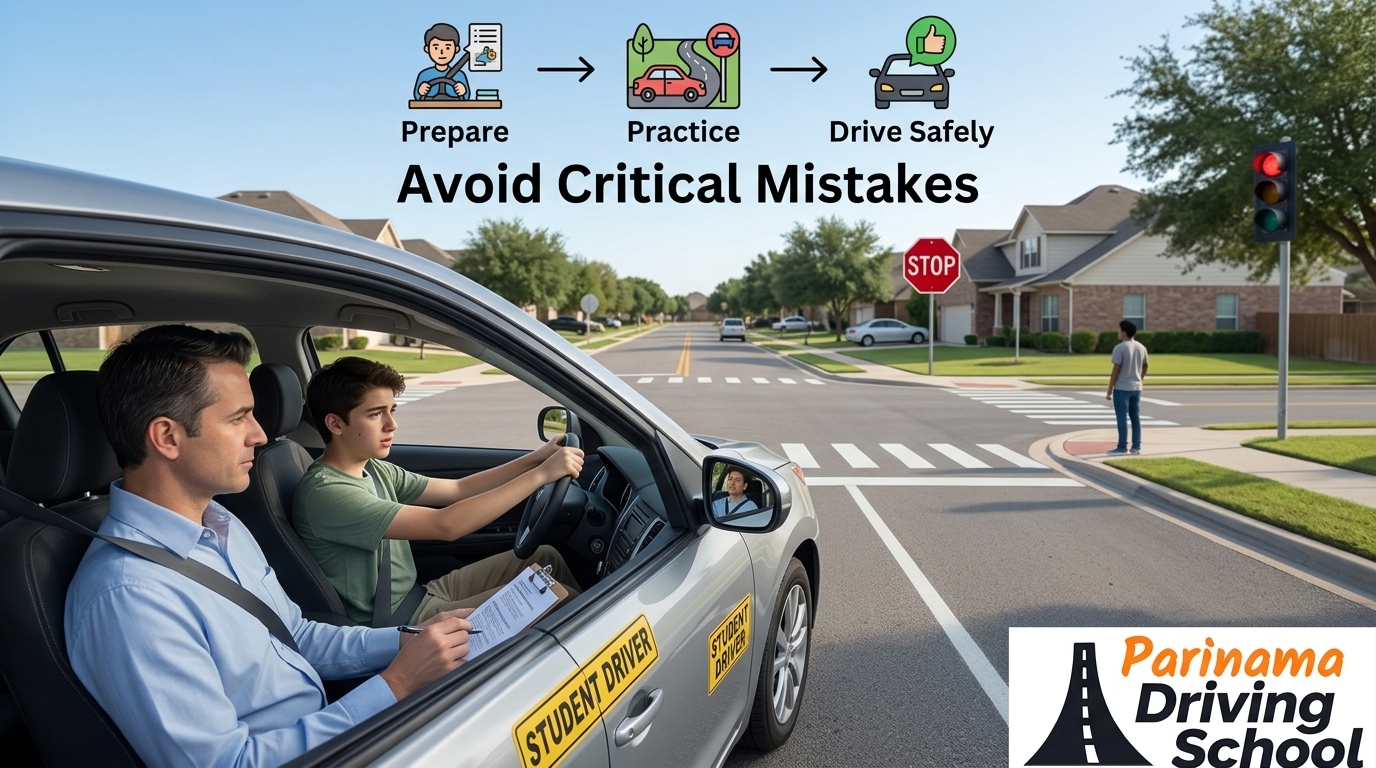
Automatic Fail on the Texas Driving Test: Key Factors and Preparation
Learn what constitutes an automatic fail on the Texas driving test, common reasons for failing, and how to prepare effectively to ensure success.
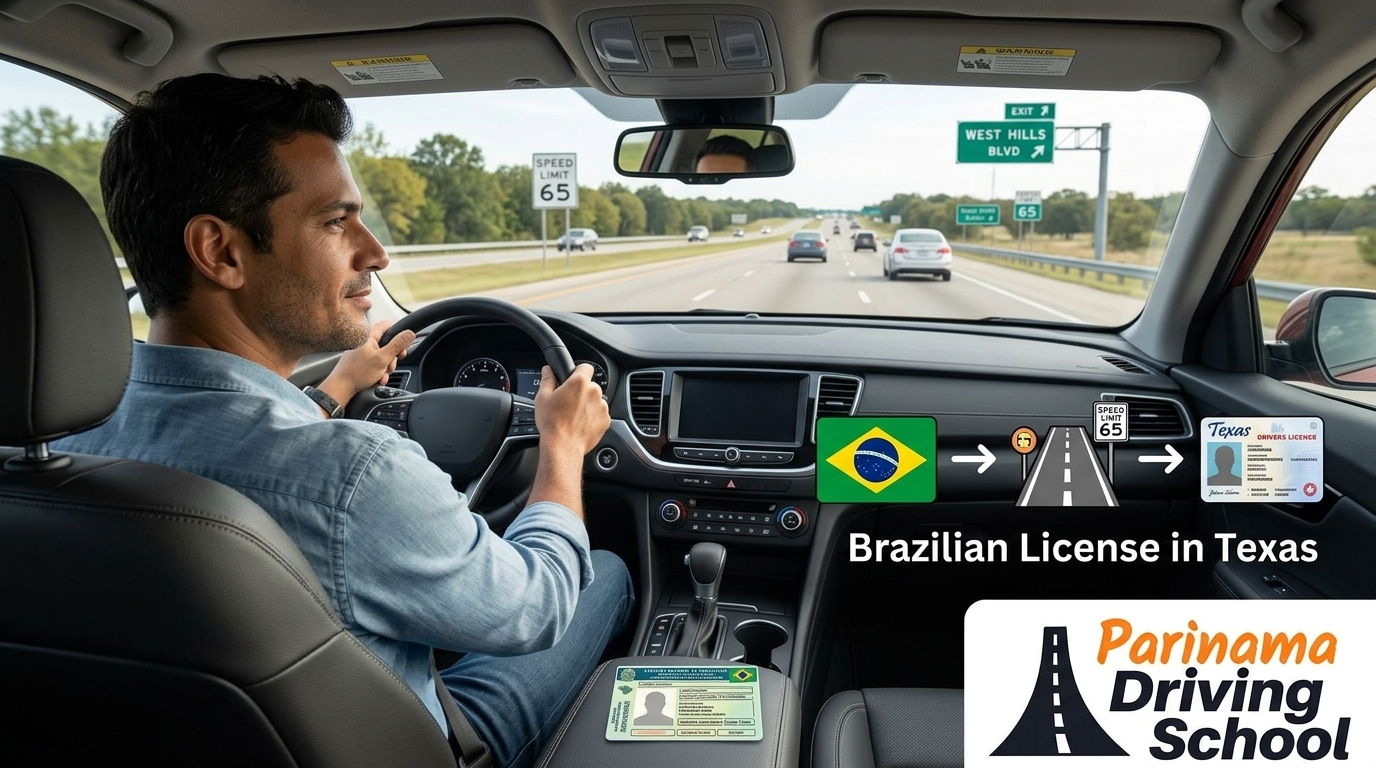
Driving in Texas with a Brazilian License: Your Essential Guide
Learn if you can drive in Texas with a Brazilian license, the required steps for conversion, and challenges you may face. Get informed now!
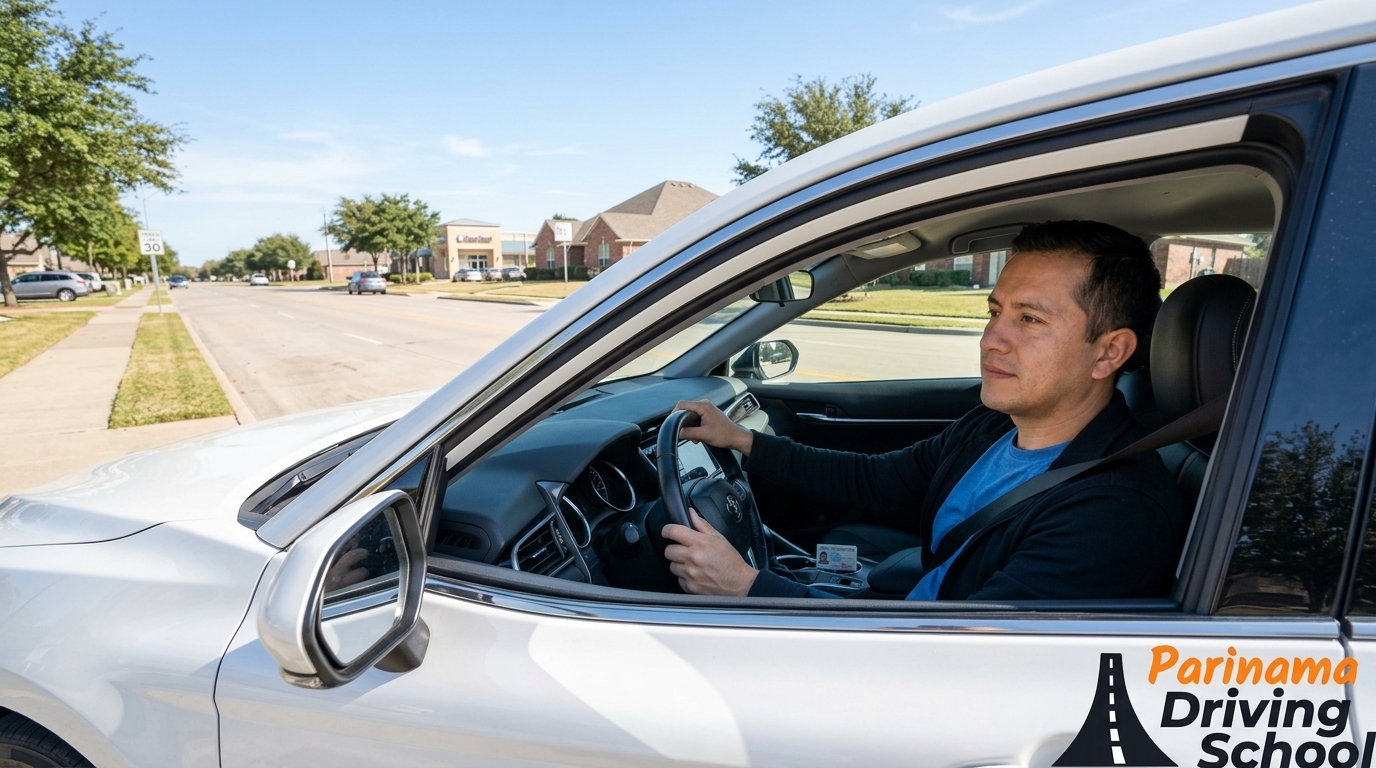
Can I Drive in Texas with a License from Colombia?
Driving in Texas with a Colombian license is permitted for 90 days. However, for longer stays, you'll need to convert your license as per Texas regulations.