How to Safely Handle School Zones in Texas: Essential Guidelines
Learn how to navigate school zones in Texas with essential guidelines. Understand speed limits, signs, and best practices for the safety of children.
On this page
Quick Answer
To handle school zones in Texas effectively, drivers must follow lower speed limits, be aware of signage, and stay vigilant for children. These actions are essential to ensure safety within these areas.
Understanding School Zone Regulations
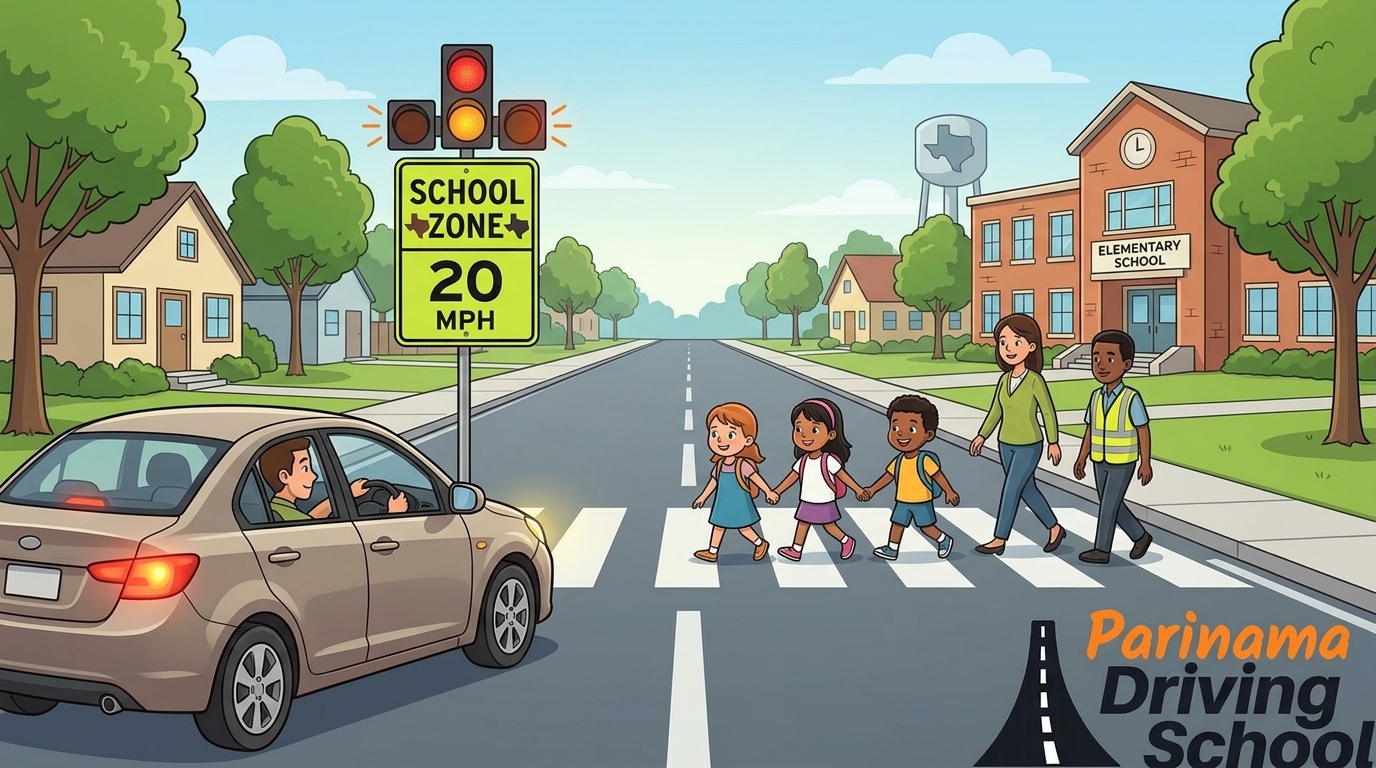
Texas school zone regulations protect children during school hours. These zones are marked with signs, informing drivers of designated times when they must reduce speed. As specified by the Texas Department of Transportation, school zones are active during school hours, particularly during drop-off and pick-up times. Compliance with these regulations is crucial for child safety.
Speed Limits in School Zones
The standard speed limit in Texas school zones is 20 mph when children are present. Below is a summary of speed limits:
| Scenario | Speed Limit |
|---|---|
| When children are present | 20 mph |
| Outside of school hours | 25 mph or as posted |
| If marked differently | Follow posted signs |
Always observe flashing lights and adhere to the specific signs to maintain safety. Ignoring these limits can lead to penalties and serious consequences for children’s safety.
Key Signs and Markings in Texas School Zones
School zones feature various signs and markings to guide drivers effectively. Important components include:
- School Zone Signs: Indicate reduced speed limits and enforceable hours.
- Flashing Lights: Used during school hours to alert drivers of increased foot traffic.
- Crosswalks: Designated points for safe pedestrian crossing; drivers must yield.
- Pavement Markings: Often carry symbols warning drivers to watch for children.
Familiarity with these signs helps enhance awareness when driving in school zones.
Best Practices for Driving in School Zones
To prioritize children's safety in school zones, follow these best practices:
- Slow Down: Immediately reduce speed to the posted limits when entering a school zone.
- Stay Alert: Remain vigilant and monitor the surroundings for children exiting vehicles.
- Yield at Crosswalks: Always yield to pedestrians at marked crosswalks.
- Avoid Distractions: Keep your focus on the road and avoid phone use or other distractions while driving in school zones.
Consequences of Violating School Zone Laws
Violating school zone regulations can lead to significant consequences. Fines for speeding in school zones are often higher than regular speeding fines. Additionally, driving recklessly in these areas may result in points on your license and increased insurance premiums. The repercussions serve as serious reminders of the impact dangerous driving can have on children’s safety.
Risks Associated with Ignoring School Zone Laws
Ignoring school zone laws poses substantial risks, particularly the danger to children crossing streets. Accidents in school zones can lead to severe injuries or even fatalities. A moment of inattention while driving can have devastating consequences, not only for the child involved but for the responsible driver as well. It's crucial to take the necessary precautions rather than assume all children are safely supervised by adults.
Checklist for Driving in School Zones
- Reduce speed immediately upon entering the zone.
- Watch for school zone signs and obey the reduced speed.
- Be mindful of children and parents in the area, especially during school hours.
- Yield to pedestrians at designated crosswalks.
- Stay focused and limit distractions while driving.
Summary
Handling school zones in Texas necessitates attentiveness to speed limits, road signs, and pedestrian presence. Following regulations can protect children's safety and avoid serious legal consequences. Remember, reduced speeds and increased vigilance can save lives.
Call to Action
To stay updated on traffic laws and children's safety initiatives, consider following local traffic safety organizations. Always prioritize safety and be a mindful driver, particularly in school zones.
Frequently asked questions
- What are the operating hours for school zones in Texas?
- School zone hours typically coincide with the school bell times, but these can vary per district. Always look for specific signage indicating active hours.
- What speed should I drive in a school zone when children are present?
- The speed limit is usually 20 mph when children are present, but it may differ based on posted signage.
- What happens if I breach the school zone speed limit?
- If caught violating the speed limit, you face higher fines and possible points on your driving record.
Written by
Parinama Driving School Team
Parinama Driving School is a Texas DPS–authorized driving school in Austin & San Antonio, helping adults, teens, and new residents get licensed with behind-the-wheel lessons and third-party road tests, 7 days a week.
Book a lesson with our instructorsRelated Texas driving guides
Automatic Fail on the Texas Driving Test: Key Factors and Preparation
Learn what constitutes an automatic fail on the Texas driving test, common reasons for failing, and how to prepare effectively to ensure success.
Driving in Texas with a Brazilian License: Your Essential Guide
Learn if you can drive in Texas with a Brazilian license, the required steps for conversion, and challenges you may face. Get informed now!
Can I Drive in Texas with a License from Colombia?
Driving in Texas with a Colombian license is permitted for 90 days. However, for longer stays, you'll need to convert your license as per Texas regulations.