How to Not Be Nervous Learning to Drive: Effective Strategies
Feeling nervous about learning to drive is completely normal. Discover effective strategies and tips to overcome your anxiety and build confidence behind the wheel.
On this page
Quick Answer
To not be nervous learning to drive, focus on preparation, practice in a safe environment, and communicate openly with your instructor. Progress gradually and remember that it's normal to feel nervous; with time, confidence will grow.
Understanding Driving Anxiety
Driving anxiety can stem from previous experiences, fear of failure, or a lack of familiarity with vehicles. Acknowledge that these feelings are common; understanding their source can help tackle them effectively. According to the Anxiety and Depression Association of America, about 20% of people report experiencing anxiety specifically related to driving. Learning to drive is a significant step, and it's perfectly normal to feel nervous along the way.
Practical Tips to Reduce Anxiety
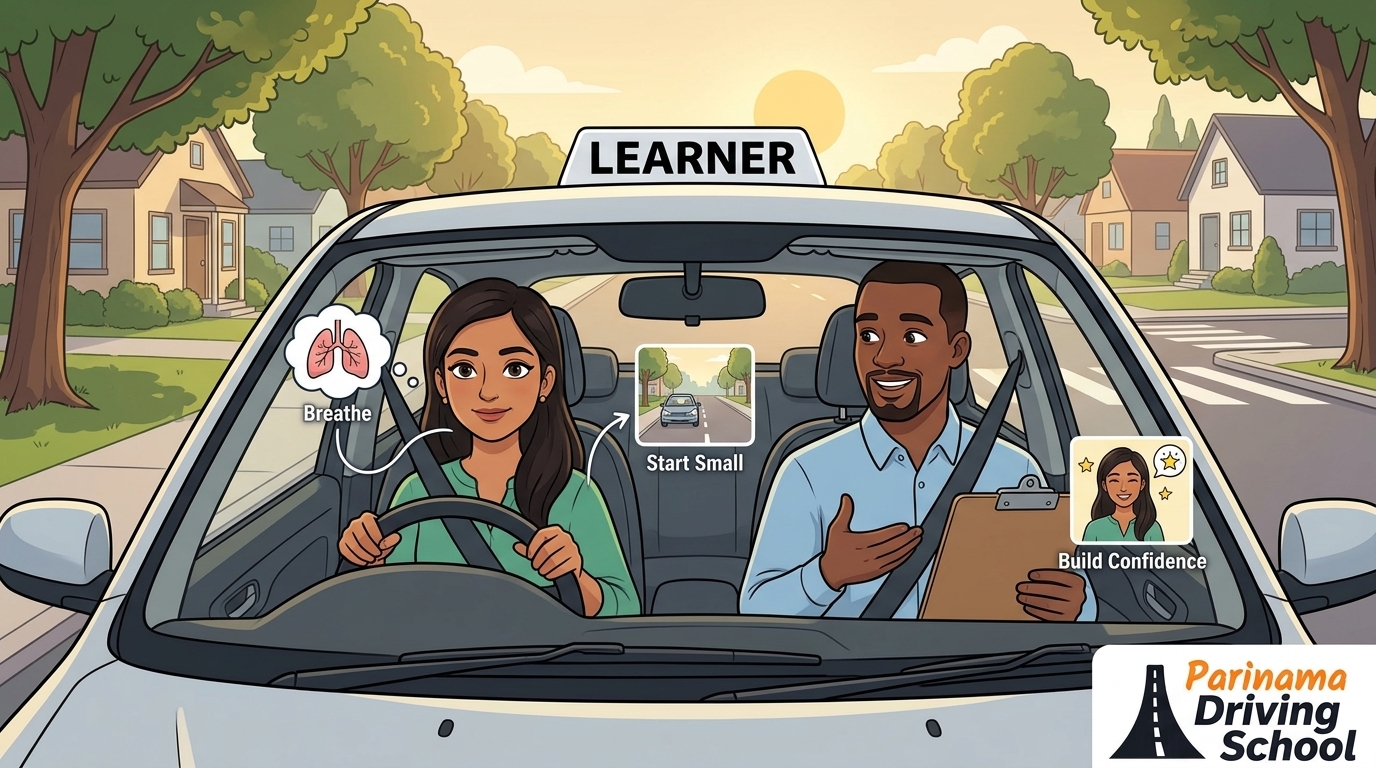
- Breathe Deeply: Practice deep breathing techniques before and during your driving lessons to maintain calmness.
- Visualize Success: Imagine positive driving scenarios, such as successful parking or smooth lane changes.
- Start Small: Begin your practice in less busy areas where you're more comfortable. Gradually introduce higher-traffic conditions as you improve.
- Learn the Basics: Familiarize yourself with vehicle controls and operations before you hit the road.
| Practical Tips | Description |
|---|---|
| Breathe Deeply | Use breathing exercises to reduce anxiety. |
| Visualize Success | Picture yourself driving successfully to boost confidence. |
| Start Small | Encourage practice in less busy environments first. |
| Learn the Basics | Get to know your vehicle's controls beforehand. |
Preparing for Your Driving Lessons
Preparing mentally for your driving lessons can help alleviate anxiety. Here are some steps you can take:
- Set Realistic Goals: Define what you want to achieve in each lesson, such as mastering parking or smooth lane changes.
- Discuss Your Concerns: Talk to your instructor at Parinama Driving School about any specific fears or worries. They can provide targeted advice and reassurance.
- Practice Beforehand: If possible, practice basic maneuvers in a parking lot with a trusted friend or family member to build comfort.
The Role of Your Instructor in Managing Fear
Your driving instructor plays a crucial role in easing your anxiety. They are trained to handle nervous students and can provide a supportive environment. Discuss your feelings openly with them, as they can tailor lessons to address your specific needs. A good instructor should help you feel safe and confident as you learn.
What to Expect During Your First Lesson
During your first driving lesson, here's what you can expect:
- Warm-up Discussion: Your instructor will likely start with a conversation about your experience and any concerns.
- Basic Controls: You'll review the essential controls of the vehicle before starting.
- Short Drive: The first drive will be short and in a controlled environment, often in less trafficked areas.
- Feedback: Expect constructive feedback that can help you improve and feel more confident.
Key Strategies to Build Confidence
Building confidence as a new driver involves several strategies:
- Regular Practice: Consistency is key. Try to drive at least a few times each week.
- Positive Reinforcement: Reward yourself for achieving small milestones, like parallel parking correctly.
- Seek Support: Surround yourself with supportive friends or family members who can encourage you.
Checklist for Overcoming Driving Anxiety
- Set realistic driving goals.
- Practice deep breathing exercises.
- Discuss your anxiety with your instructor.
- Start practice in a quiet area.
- Gradually pace your exposure to more challenging driving scenarios.
- Reward yourself for progress.
Conclusion
Overcoming the nerves associated with learning to drive takes time and practice. Focus on preparation and communication, and gradually build your confidence behind the wheel. Remember, feeling nervous is normal, and with the right strategies, you can conquer your fears effectively.
Call to Action
Ready to start your driving journey with confidence? Join us today and implement these strategies to overcome your driving fears. Seek out supportive driving lessons in your area, and take the first step towards becoming a confident driver!
Frequently asked questions
- Is it normal to feel anxious about driving?
- Yes, it is completely normal to feel anxious about driving. Many new drivers experience similar feelings.
- How can I calm my nerves before driving?
- Techniques such as deep breathing, visualization, and adequate preparation can help calm your nerves before driving.
- What if my anxiety is severe?
- If your anxiety about driving is severe, it may be beneficial to consult a mental health professional who specializes in anxiety management.
Written by
Parinama Driving School Team
Parinama Driving School is a Texas DPS–authorized driving school in Austin & San Antonio, helping adults, teens, and new residents get licensed with behind-the-wheel lessons and third-party road tests, 7 days a week.
Book a lesson with our instructorsRelated Texas driving guides
Cost of Getting a Driver's License in Texas 2026: A Complete Guide
Discover the cost of getting a driver's license in Texas in 2026. Learn about fees, requirements, and how Parinama Driving School can guide you through the process.

How to Merge on I-10 in San Antonio: Essential Tips
Navigating I-10 in San Antonio can be challenging, especially when merging. This guide provides step-by-step instructions to ensure safe and confident merging.
Essential First Time Driving Alone Tips for New Drivers
Embarking on your first solo drive can be both exciting and nerve-wracking. Our essential tips will help you navigate this milestone safely and confidently.