How to Handle Texas Frontage Roads and Turnarounds: A Complete Guide
Learn effective strategies and local regulations for navigating Texas frontage roads and turnarounds safely and efficiently.
On this page
Quick Answer
Texas frontage roads are parallel roads alongside highways designed for local access. To handle them effectively, focus on understanding their layout, signaling, and safe maneuvering, especially during turnarounds.
Understanding Texas Frontage Roads
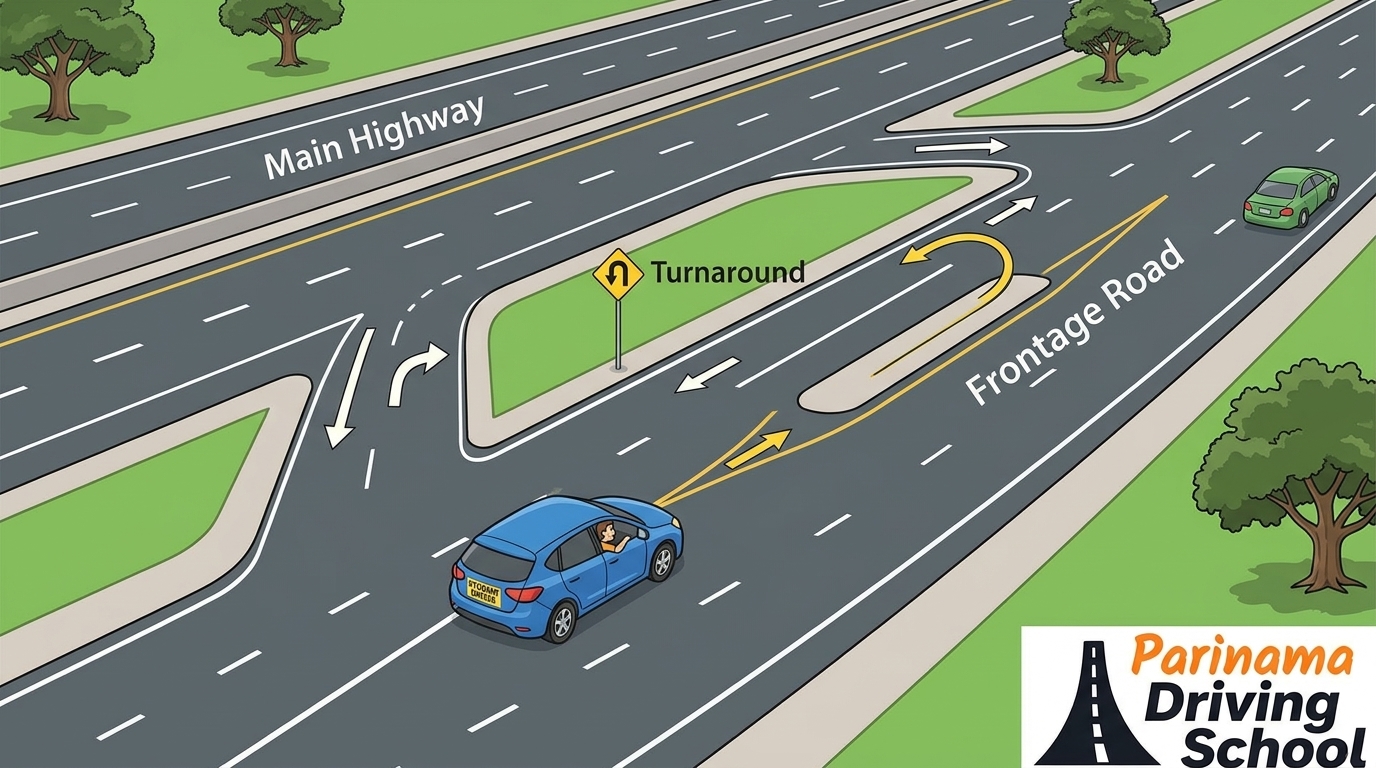
Texas frontage roads are local access routes running parallel to highways. They allow drivers to enter and exit highways without merging directly into fast-moving traffic. Frontage roads serve both commercial and residential areas, making it easier to access local businesses and neighborhoods. Familiarity with their construction and purpose is vital for safe and efficient navigation. For more details on local regulations, refer to the Texas Department of Transportation (TxDOT).
How to Navigate Frontage Roads
- Stay Aware of Your Surroundings: Frontage roads may have different speed limits and traffic patterns compared to the highway.
- Use Proper Signaling: Always signal your intentions when transferring from the highway to the frontage road or vice versa.
- Watch for Merging Traffic: Be prepared for vehicles merging in and out; maintain a safe distance and adjust your speed accordingly.
- Know When to Stop: There may be stop signs or traffic signals on the frontage road—observe them carefully at intersections to avoid accidents.
- Use the Road to Access Local Businesses: Frontage roads provide a convenient way to access shops and other local facilities without dealing with highway traffic.
- Maintain Awareness of Local Rules: City-specific regulations may apply to the use and behavior on these roads; always be informed. For guidance on regulations, consult the Texas Vehicle Code.
How Do I Master Turnarounds in Texas?
Turnarounds are critical maneuvers often required when exiting highways. Here's how to execute them safely:
- Identify Turnaround Locations: Look for designated turnaround signs on the highway; some require specific lane changes.
- Signal Early: Signal your desire to turn well ahead of the actual maneuver to alert other drivers.
- Complete a U-turn Safely: Ensure that the road is clear in both directions before executing a U-turn at a designated turnaround spot.
- Avoid Sudden Stops: Maintain a smooth pace during the turnaround to avoid startling other drivers.
- Practice in a Safe Environment: If you’re still learning, practice turnarounds in less congested areas or seek instruction, such as those provided by local driving schools.
Comparison of Frontage Road Types
| Type of Frontage Road | Description | Typical Use |
|---|---|---|
| Business Frontage Roads | Designed primarily to provide access to businesses along highways. | Retail and commercial areas. |
| Residential Frontage Roads | Serve communities and neighborhoods adjacent to highways. | Access to homes and community facilities. |
| High-Speed Frontage Roads | Maintain higher speed limits and are designed for quick access to highways. | Major arterial routes requiring quick highway access. |
Checklist for Safe Navigation
- Stay vigilant about changing traffic conditions.
- Familiarize yourself with the specific signage in the area.
- Keep a safe following distance and pay attention to merging vehicles.
- Observe speed limits and traffic signals rigorously.
- If unsure about a maneuver, consult local driving regulations or seek additional training.
Summary
Navigating Texas frontage roads and executing turnarounds requires understanding local traffic norms and regulations. These parallel roads promote safe access to local areas, reducing the risk of high-speed highway entries and exits. Familiarity with the rules and effective navigation techniques will ensure a safer driving experience.
Call to Action
For more in-depth information and driving resources, visit the Texas Department of Transportation. Stay safe and confident on Texas roads!
Frequently asked questions
- What are the main purposes of frontage roads in Texas?
- Frontage roads facilitate local access to highways, enabling drivers to enter and exit without merging directly into highway traffic.
- Are there specific regulations for using frontage roads in Texas?
- Yes, local regulations can vary significantly; always refer to the Texas Department of Transportation or local city resources for specific laws.
- How do I know when to take a turnaround?
- Look for designated signs indicating turnaround zones on the highway; these provide guidance for safe U-turns.
Written by
Parinama Driving School Team
Parinama Driving School is a Texas DPS–authorized driving school in Austin & San Antonio, helping adults, teens, and new residents get licensed with behind-the-wheel lessons and third-party road tests, 7 days a week.
Book a lesson with our instructorsRelated Texas driving guides
Cost of Getting a Driver's License in Texas 2026: A Complete Guide
Discover the cost of getting a driver's license in Texas in 2026. Learn about fees, requirements, and how Parinama Driving School can guide you through the process.
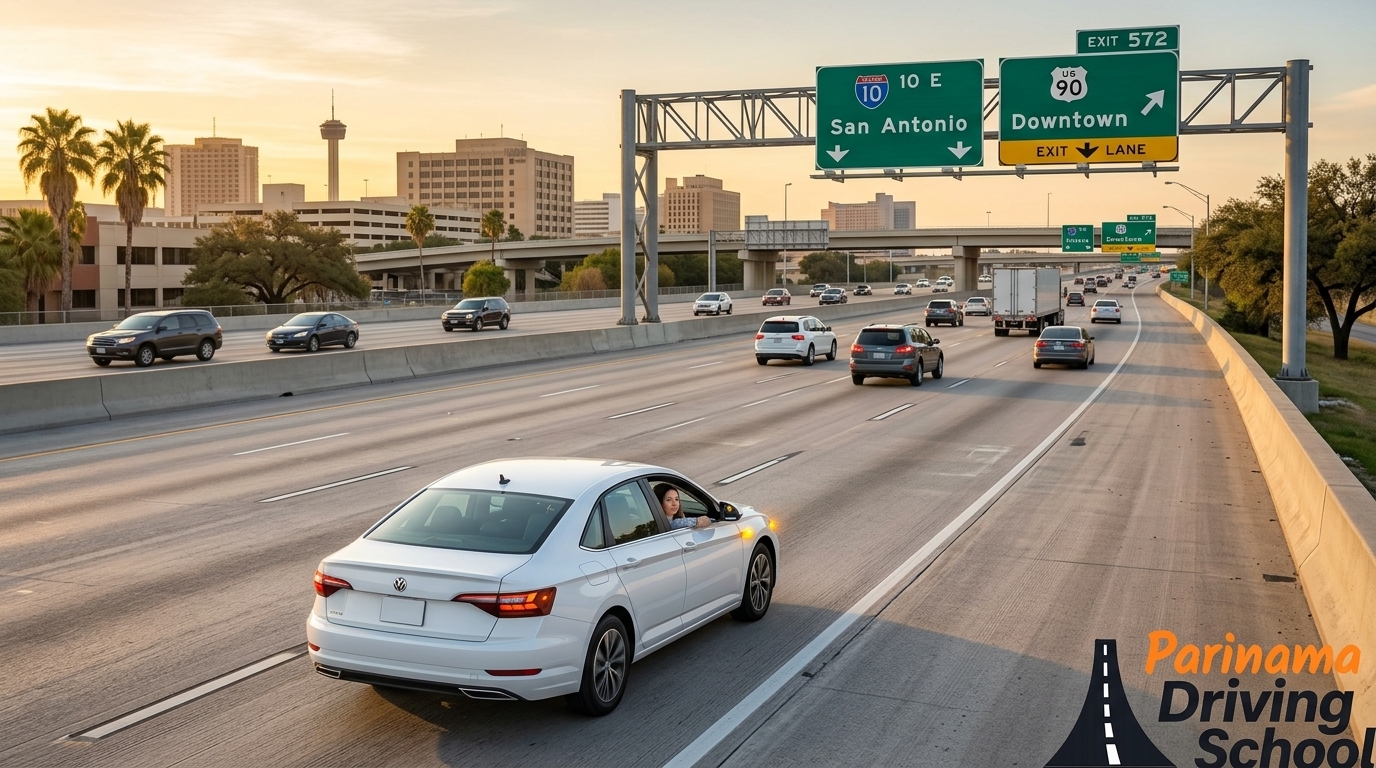
How to Merge on I-10 in San Antonio: Essential Tips
Navigating I-10 in San Antonio can be challenging, especially when merging. This guide provides step-by-step instructions to ensure safe and confident merging.
Essential First Time Driving Alone Tips for New Drivers
Embarking on your first solo drive can be both exciting and nerve-wracking. Our essential tips will help you navigate this milestone safely and confidently.