How to Drive Safely in Heavy Rain: Essential Tips and Techniques
Driving in heavy rain can be challenging and risky. Learn essential tips for safety including vehicle preparation, safe driving techniques, and how to respond to hydroplaning.
On this page
Quick Answer
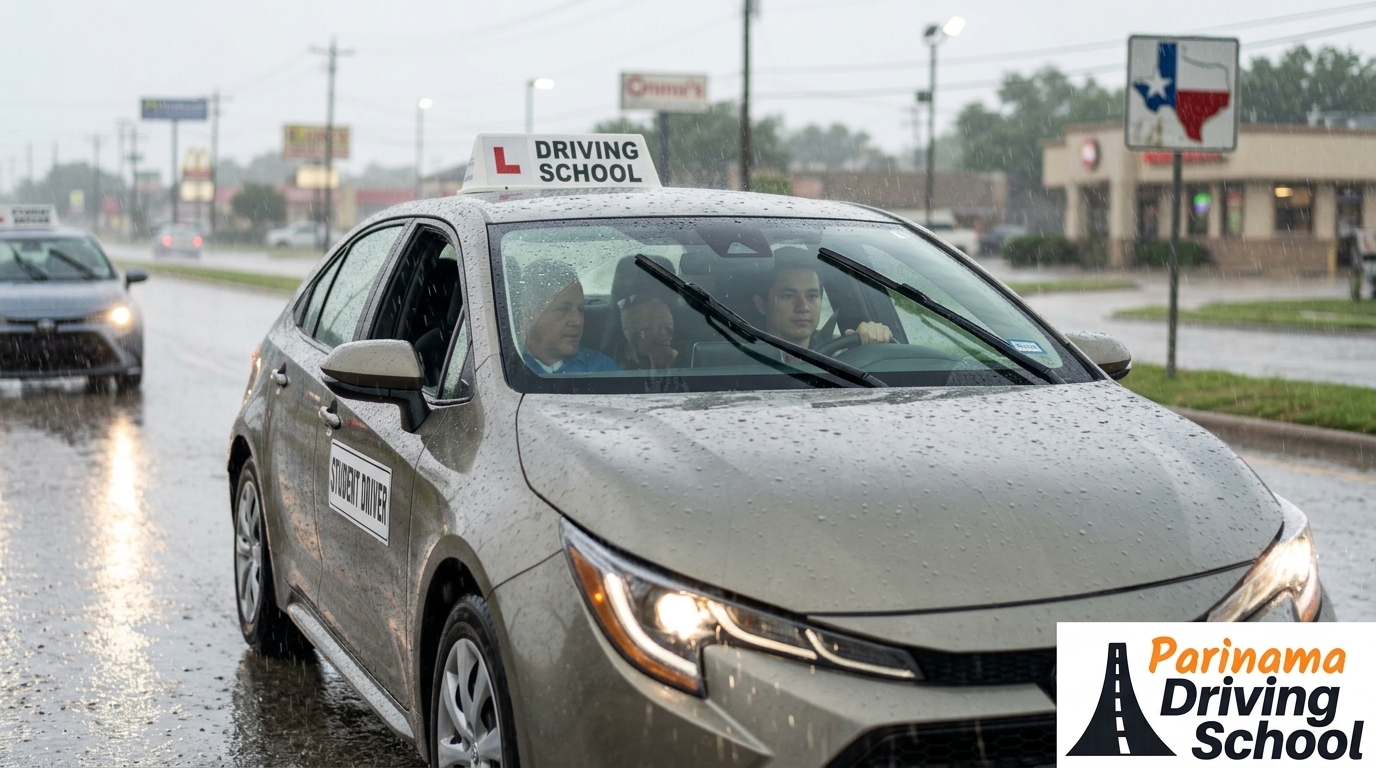
Driving in heavy rain requires reduced speed, increased following distance, and careful use of headlights. Always prioritize safety and pull over if conditions worsen. For more detailed guidance, consider enrolling in our driver safety training courses at Parinama Driving School.
Understanding the Risks of Driving in Heavy Rain
Heavy rain increases the risk of accidents due to reduced visibility and slippery road surfaces. According to the Federal Highway Administration, wet roads cause over 70% of weather-related vehicle crashes. Understanding these risks is crucial for safe driving.
Preparing Your Vehicle for Wet Conditions
Ensuring your vehicle is equipped for driving in heavy rain can significantly reduce risks. Here are key preparations:
- Tires: Ensure they have sufficient tread depth (at least 2/32 inches) to prevent hydroplaning.
- Wipers: Replace windshield wipers if they are worn, ensuring clear visibility.
- Lights: Check that all headlights, taillights, and signal lights are functional to maximize visibility to others.
Table: Vehicle Maintenance Checklist for Heavy Rain Driving
| Task | Recommended Action | Frequency |
|---|---|---|
| Tire Tread Depth | At least 2/32 inches | Monthly |
| Windshield Wipers | Replace if worn | Every 6 mos |
| Lights | Test functionality | Monthly |
| Brake Fluid | Check levels | Every 6 mos |
Safe Driving Techniques in Heavy Rain
Employing the right driving techniques is essential for safety in heavy rain:
- Reduce Speed: Lower your speed to improve tire traction on wet roads.
- Increase Following Distance: Maintain a distance of at least five seconds behind the vehicle ahead to allow ample reaction time.
- Use Headlights: Turn on your headlights, even during the day, to enhance your visibility and help others see you.
- Avoid Sudden Movements: Keep steady steering and avoid abrupt braking to prevent losing control.
What to Do if Hydroplaning Occurs
If your vehicle begins to hydroplane, follow these steps:
- Stay Calm: Avoid panic, as sudden reactions can lead to losing control.
- Ease Off the Gas: Gradually lift your foot off the accelerator—do not brake suddenly.
- Steer Gently: Steer in the direction you want to go; avoid overcorrecting.
Common Mistakes to Avoid
To enhance your safety during heavy rain, be aware of these common mistakes:
- Driving too fast for conditions
- Tailgating other vehicles
- Neglecting to use headlights
- Failing to maintain proper tire maintenance
Checklist for Driving in Heavy Rain
Here’s a quick checklist to consider before driving in heavy rain:
- Check tire tread depth
- Inspect windshield wipers
- Verify all headlights and taillights are functional
- Ensure brakes are responsive
- Plan your route and avoid flooded areas
Summary
Driving in heavy rain presents unique challenges that require preparation and caution. Equip your vehicle properly, use good driving practices, and be aware of potential hazards. Staying informed and prepared can make all the difference in ensuring a safe journey in inclement weather.
Call to Action
Want to enhance your driving skills in various weather conditions? Enroll in our driving courses at Parinama Driving School to get the training you need for safe driving in heavy rain and beyond.
Frequently asked questions
- Should I use cruise control in heavy rain?
- No, avoid using cruise control in heavy rain as it can lead to loss of control during sudden traction changes.
- How can I best signal other drivers in heavy rain?
- Use your headlights and turn signals to communicate clearly with other drivers, especially in low visibility.
- What should I do if I encounter flooding on the road?
- Avoid driving through flooded areas. Turn around and find an alternate route to ensure safety.
Written by
Parinama Driving School Team
Parinama Driving School is a Texas DPS–authorized driving school in Austin & San Antonio, helping adults, teens, and new residents get licensed with behind-the-wheel lessons and third-party road tests, 7 days a week.
Book a lesson with our instructorsRelated Texas driving guides
Cost of Getting a Driver's License in Texas 2026: A Complete Guide
Discover the cost of getting a driver's license in Texas in 2026. Learn about fees, requirements, and how Parinama Driving School can guide you through the process.
How to Merge on I-10 in San Antonio: Essential Tips
Navigating I-10 in San Antonio can be challenging, especially when merging. This guide provides step-by-step instructions to ensure safe and confident merging.
Essential First Time Driving Alone Tips for New Drivers
Embarking on your first solo drive can be both exciting and nerve-wracking. Our essential tips will help you navigate this milestone safely and confidently.