How to Drive on the Highway for the First Time: Your Essential Guide
Learn key strategies for safe and confident highway driving. From preparation to essential skills, this guide covers everything first-time drivers need to know.
On this page
Quick Answer
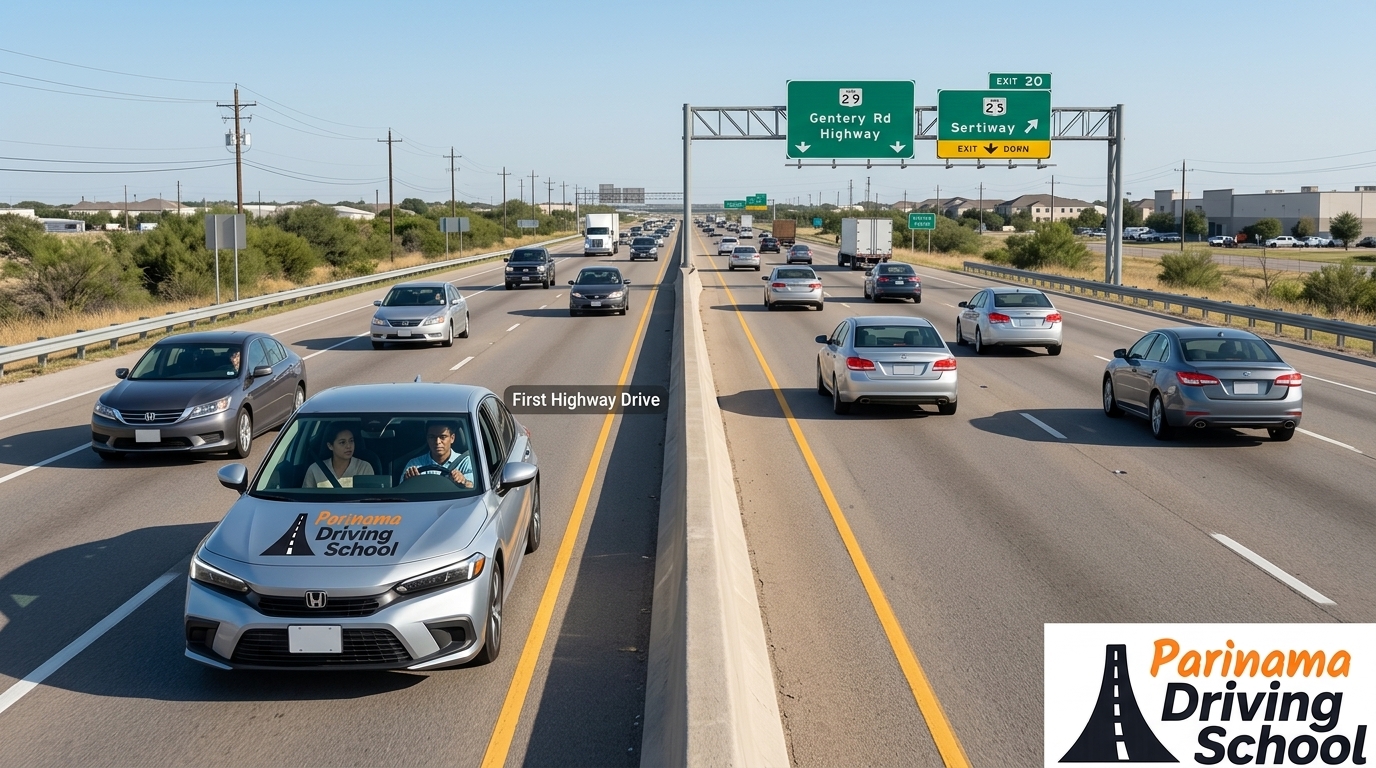
To drive on the highway for the first time, ensure you understand highway rules, prepare your vehicle, and practice essential skills like merging and maintaining speed.
Understanding Highway Driving
Driving on the highway involves operating a vehicle on multi-lane roads designed for higher speeds. Unlike local roads, highways facilitate faster travel with fewer stops, requiring different driving skills. Key features include on-ramps and off-ramps, lane changes, and exit signs. According to the National Highway Traffic Safety Administration (NHTSA), highways have a lower fatality rate compared to local streets, making understanding highway driving essential for safety.
Preparing for Your Drive
Preparation is crucial for first-time highway drivers. Here’s how to get ready:
- Check Your Vehicle: Ensure your vehicle is well-maintained with functional brakes, lights, and mirrors.
- Know Your Route: Familiarize yourself with the highway map and key exits before driving. Use GPS for safe navigation.
- Practice Local Roads: Gain confidence by practicing driving on local roads before attempting highways.
- Choose Off-Peak Hours: Drive during times when traffic is lighter to lower stress.
Essential Highway Driving Skills
Mastering several driving skills is vital for safety on the highway:
Merging
- Look for Gaps: Use your mirrors and check blind spots to find a gap before merging onto the highway.
- Accelerate Smoothly: Increase your speed to match highway traffic while merging.
Lane Changes
- Signal Intention: Always use turn signals to notify others when changing lanes.
- Check Mirrors and Blind Spots: Ensure it's safe to change lanes by checking all views.
Maintaining Speed
- Adhere to Speed Limits: Stay within posted limits unless traffic dictates otherwise.
- Use Cruise Control: If you're comfortable, utilize cruise control on long stretches to maintain speed.
Navigating Highway Traffic
Navigating highway traffic can be tricky. Here are strategies to manage it:
- Maintain Safe Following Distance: Keep a 3-4 second gap between your vehicle and the car ahead to allow for sudden stops.
- Use Your Headlights: Use headlights in low visibility conditions or rain.
- Stay Calm: If you feel overwhelmed, focus on breathing and stay centered on your driving.
Safe Highway Driving Tips
- Be Aware of Surroundings: Always keep an eye out for road signs and other vehicles.
- Avoid Distractions: Keep your phone and other distractions out of reach to maintain focus.
- Know When to Exit: Monitor your GPS for exit signals and start preparing your exit well in advance.
- Keep a Steady Pace: Avoid unnecessary speed fluctuations to help maintain safe traffic flow.
Common Mistakes to Avoid
Avoid these common pitfalls while driving on the highway:
- Inadequate Merging: Failing to check blind spots or not accelerating enough to match traffic speed.
- Tailgating: Driving too close to the vehicle ahead increases the risk of an accident.
- Overconfidence: Be cautious of taking highway driving too lightly; always stay alert.
Checklist for Your First Highway Drive
- Pre-drive vehicle check (brakes, lights, mirrors)
- Familiarize yourself with the route and exits
- Practice on less busy roads if nervous
- Choose a time to drive with lighter traffic
- Have a passenger accompany you for support if possible
Summary
Driving on the highway for the first time can be intimidating, but with proper preparation and skill mastery, you can achieve a safe and confident experience. Always stay aware of your surroundings, follow safe driving practices, and prepare thoroughly.
Call to Action
Ready to hit the highway confidently? Review our tips, practice your skills, and set out at a time that works for you. Stay safe and enjoy your first highway adventure!
Frequently asked questions
- What should I do if I miss my exit on the highway?
- If you miss your exit, do not panic. Continue to the next exit and find a safe place to turn around.
- Is it safe to drive in the far-left lane?
- The far-left lane is often used for passing slower vehicles. Only drive in this lane if you are actively passing.
- How do I handle aggressive drivers?
- If you encounter aggressive drivers, remain calm and maintain a safe distance. Avoid engagement and consider reporting them.
Written by
Parinama Driving School Team
Parinama Driving School is a Texas DPS–authorized driving school in Austin & San Antonio, helping adults, teens, and new residents get licensed with behind-the-wheel lessons and third-party road tests, 7 days a week.
Book a lesson with our instructorsRelated Texas driving guides
Cost of Getting a Driver's License in Texas 2026: A Complete Guide
Discover the cost of getting a driver's license in Texas in 2026. Learn about fees, requirements, and how Parinama Driving School can guide you through the process.
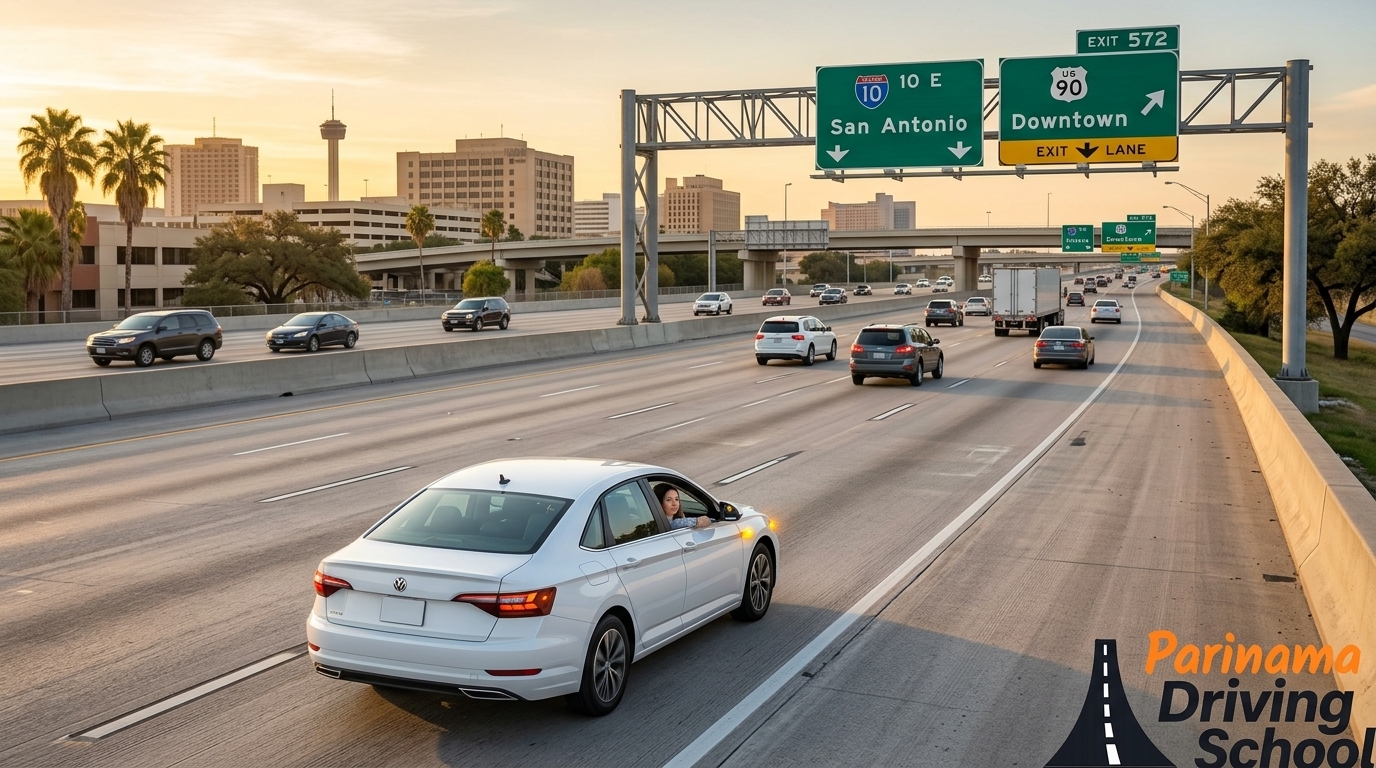
How to Merge on I-10 in San Antonio: Essential Tips
Navigating I-10 in San Antonio can be challenging, especially when merging. This guide provides step-by-step instructions to ensure safe and confident merging.
Essential First Time Driving Alone Tips for New Drivers
Embarking on your first solo drive can be both exciting and nerve-wracking. Our essential tips will help you navigate this milestone safely and confidently.