How to Drive Defensively in Heavy Traffic: Essential Strategies
Learn how to navigate heavy traffic safely with essential defensive driving techniques, preparation tips, and common scenarios to enhance your driving skills.
On this page
Quick Answer
To drive defensively in heavy traffic, maintain awareness of your surroundings, keep a safe distance from other vehicles, and anticipate potential hazards.
Understand Defensive Driving
Defensive driving is a proactive approach that prioritizes safety. It involves being aware of potential hazards, anticipating the actions of other drivers, and making thoughtful, safe driving decisions. In heavy traffic, this means adjusting your driving style to account for the unpredictable behavior of others while maintaining focus on the road.
Key Defensive Driving Techniques
Effective defensive driving techniques include:
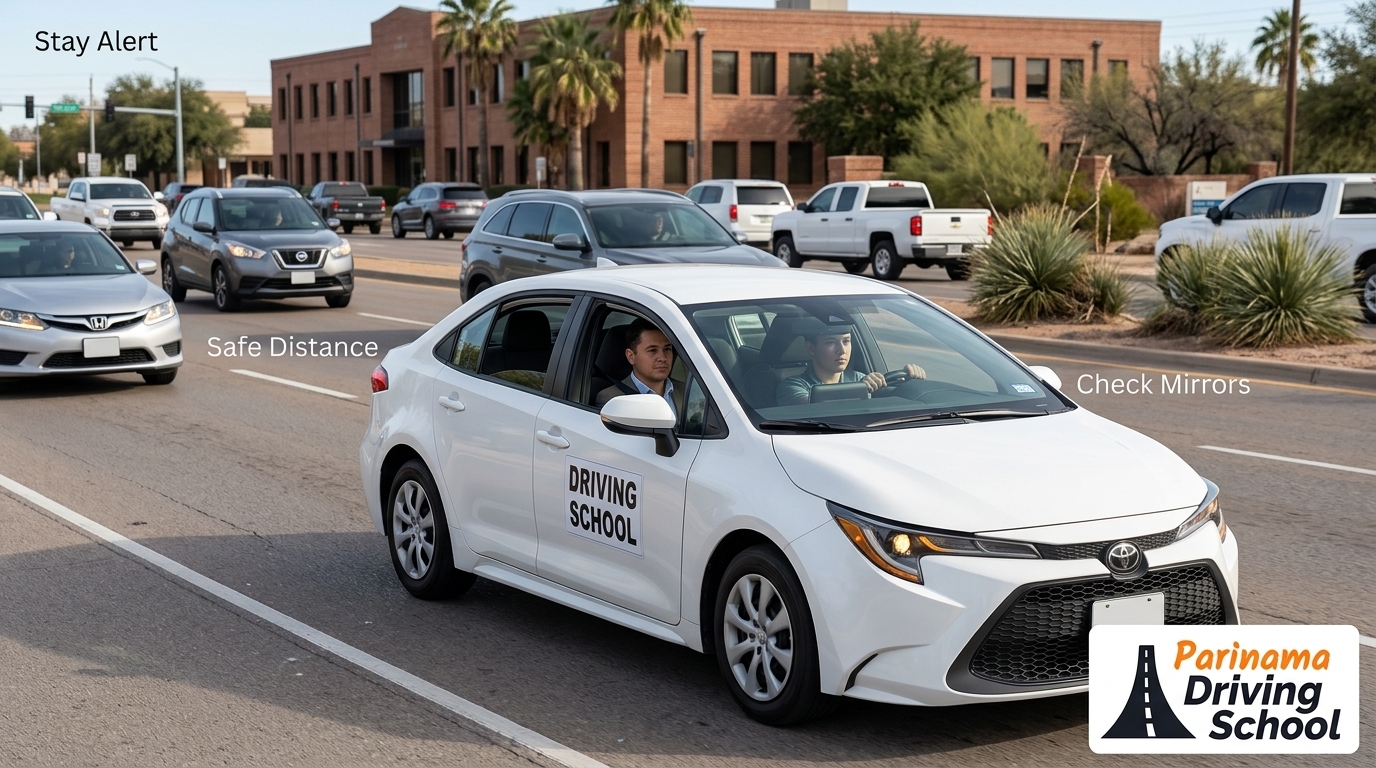
- Maintain a Safe Following Distance: Always keep at least a three-second gap between your vehicle and the one in front of you. This buffer allows for adequate reaction time.
- Stay Alert and Minimize Distractions: Avoid distractions such as mobile devices, loud music, or eating while driving. Focus on the road and surrounding traffic.
- Use Your Mirrors Effectively: Always check your mirrors before changing lanes or making any turns to ensure it's safe to maneuver.
- Signal Early: Indicate your intentions well in advance to inform other drivers of your plans.
- Adjust to Conditions: Adapt your speed and driving behavior to suit weather conditions and traffic flow, as these can change rapidly.
For more information on defensive driving techniques, you can refer to the National Safety Council.
Preparing for Heavy Traffic
Before embarking on a trip during peak traffic hours, consider these preparation strategies:
- Plan Your Route: Use traffic apps to choose a less congested route. Real-time navigation tools can alert you to accidents or road closures.
- Check Vehicle Maintenance: Ensure that your vehicle is roadworthy. Regular checks on brakes, lights, and tires can reduce the risk of breakdowns in heavy traffic. According to the American Automobile Association (AAA) , proper vehicle maintenance is crucial for safe driving in any conditions.
- Stay Informed: Keep an eye on local traffic reports to anticipate congestion and delays to help better plan your journey.
Common Scenarios and Solutions
Driving in heavy traffic presents various challenges. Here are common scenarios and appropriate solutions:
| Scenario | Solution |
|---|---|
| Sudden Stops | Increase following distance; be prepared to stop without slamming brakes. |
| Traffic Merging | Use turn signals and yield rather than forcing your way into another lane. |
| Pedestrians and Cyclists | Always be vigilant and prepare to yield to non-motorized traffic, especially in urban areas. |
| Lane Changes | Check blind spots and use mirrors before attempting lane changes. |
Driving Safety Equipment
Essential tools for defensive driving include:
- Blind Spot Mirrors: Help to eliminate blind spots during lane changes.
- Dash Cameras: Provide records of incidents for insurance purposes and enhance awareness.
- Emergency Kits: Include items like first aid supplies, flares, and tire repair kits for unforeseen circumstances.
Checklist for Defensive Driving
- Maintain at least three seconds of following distance.
- Stay alert and minimize distractions while driving.
- Ensure mirrors are adjusted appropriately before each trip.
- Plan your routes in advance using navigation apps.
- Regularly check vehicle maintenance (brakes, lights, tires).
Summary
Driving defensively in heavy traffic requires constant awareness, proper vehicle maintenance, and the use of effective driving techniques. Understanding the risks involved and preparing accordingly can greatly enhance safety on the road.
Call to Action
For safer roads and improved traffic flow, practice these defensive driving techniques and ensure your vehicle is roadworthy before hitting the road. Consider attending a defensive driving course to further enhance your skills.
Frequently asked questions
- What should I do if I experience road rage in heavy traffic?
- Stay calm, avoid engaging with the aggressive driver, and distance yourself safely from the situation.
- How can I prepare for unexpected traffic jams?
- Listen to traffic updates, plan alternative routes, and ensure your vehicle is fully fueled and ready for delays.
- Are there any specific traffic laws to be aware of in heavy traffic?
- Yes, most areas require drivers to yield to pedestrians and maintain safe following distances at all times. Review your local traffic regulations for specifics.
Written by
Parinama Driving School Team
Parinama Driving School is a Texas DPS–authorized driving school in Austin & San Antonio, helping adults, teens, and new residents get licensed with behind-the-wheel lessons and third-party road tests, 7 days a week.
Book a lesson with our instructorsRelated Texas driving guides
Automatic Fail on the Texas Driving Test: Key Factors and Preparation
Learn what constitutes an automatic fail on the Texas driving test, common reasons for failing, and how to prepare effectively to ensure success.
Driving in Texas with a Brazilian License: Your Essential Guide
Learn if you can drive in Texas with a Brazilian license, the required steps for conversion, and challenges you may face. Get informed now!
Can I Drive in Texas with a License from Colombia?
Driving in Texas with a Colombian license is permitted for 90 days. However, for longer stays, you'll need to convert your license as per Texas regulations.