How to Do a Proper Lane Change on the Highway Safely
Learn how to perform a proper lane change on the highway with our comprehensive guide, including safety tips, common mistakes to avoid, and essential precautions.
On this page
Quick Answer
To properly change lanes on the highway, check mirrors, use turn signals, and ensure it's safe to move. Always maintain awareness of surrounding traffic and consider conditions like weather, traffic, and visibility.
Understanding Lane Changing
A lane change is a maneuver where a driver shifts their vehicle from one lane to another. Correct lane changes are crucial for preventing collisions and ensuring smooth traffic flow. According to the National Highway Traffic Safety Administration (NHTSA), improper lane changes contribute significantly to highway accidents. Be aware of local traffic laws as they may dictate specific signaling requirements or conditions affecting lane changes.
Preparing for a Lane Change
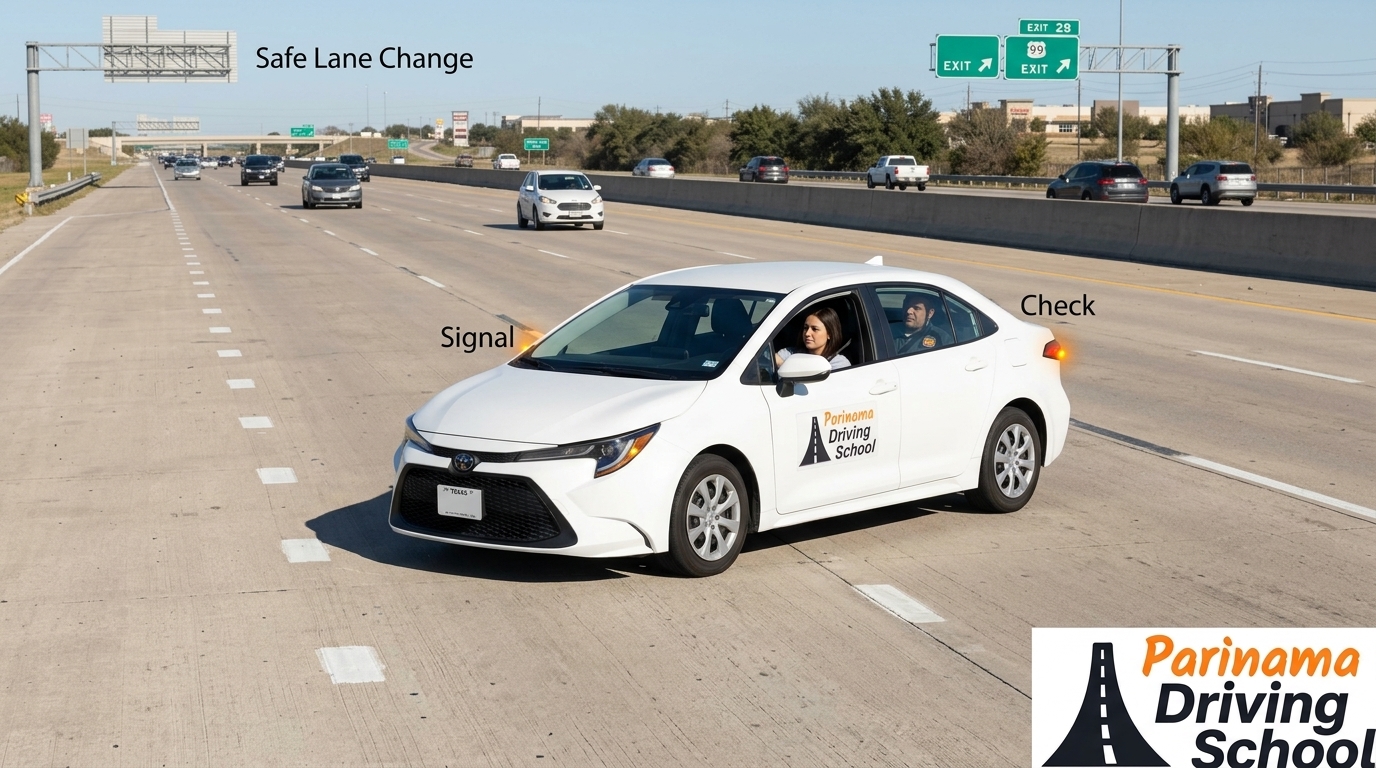
Before changing lanes, follow these steps:
- Check your mirrors: Utilize your rearview and side mirrors to assess surrounding traffic.
- Signal your intent: Use your turn signal to inform other drivers of your planned lane change.
- Check blind spots: Look over your shoulder to ensure no vehicles are in your blind spot. This step is crucial for preventing accidents.
- Assess traffic speed: Ensure the target lane has a safe gap with vehicles moving at a comparable speed.
- Check weather conditions: Be aware of adverse weather that may affect handling and visibility.
| Step | Description |
|---|---|
| 1 | Check Mirrors - Assess traffic in your mirrors. |
| 2 | Signal - Use your turn signal to indicate your intention. |
| 3 | Blind Spot Check - Ensure no vehicles occupy your blind spot. |
| 4 | Assess Traffic Speed - Ensure there is a safe gap in the target lane. |
| 5 | Change Lane - Smoothly steer into the new lane. |
Executing the Lane Change
Once you are prepared, proceed with the lane change:
- Confirm traffic speed: Make sure that vehicles in your target lane are at a comparable speed.
- Change lanes smoothly: Steer into the new lane gradually. Abrupt movements can create hazards.
- Turn off your signal: After completing the lane change, deactivate your turn signal to avoid confusion for other road users.
Common Mistakes to Avoid
Avoiding mistakes during lane changes is essential for safe driving:
- Not checking blind spots: Always conduct a blind spot check; many accidents stem from neglecting this step.
- Changing lanes without signaling: Failing to signal can confuse other drivers and increase the risk of collisions.
- Improper speed adjustment: Changing lanes while traveling too fast or too slow can be dangerous.
Lane Change Safety Tips
- Maintain a safe following distance. This provides you with adequate time to react.
- Avoid distractions: Focus on driving and avoid using your phone while changing lanes.
- Be cautious in adverse conditions: Adjust your lane change procedure in heavy traffic or bad weather.
Potential Risks and Considerations
Lane changing can be risky, especially under certain conditions. For example:
- Heavy Traffic: In congested situations, lane changes can increase the risk of collisions.
- Adverse Weather: Rain, snow, or fog can impair visibility and vehicle handling, making lane changes more dangerous. It increases stopping distances and can lead to skidding.
- Fatigue: Tired drivers are less attentive and more prone to mistakes, including improper lane changes.
According to a study by the AAA Foundation for Traffic Safety, lane change accidents account for a significant percentage of crashes on multi-lane highways. Always prioritize safety and ensure you can complete the maneuver confidently.
Checklist for a Successful Lane Change
- Check mirrors before changing lanes.
- Use turn signals to indicate your move.
- Perform a blind spot check.
- Ensure the target lane is clear and safe.
- Change lanes smoothly without abrupt movements.
Summary
Changing lanes on the highway requires careful planning and execution. Always check mirrors, signal your intentions, and be conscious of surrounding traffic. Stay aware of risks such as heavy traffic and adverse weather conditions to ensure your lane changes are safe and effective.
Call to Action
For more driving safety tips and techniques, check out our related articles or consult authoritative sources such as the National Highway Traffic Safety Administration (NHTSA). Drive safely and stay informed about best driving practices!
Frequently asked questions
- What is the safest way to signal my lane change?
- Activate your turn signal at least three seconds before the maneuver, allowing enough time for other drivers to notice.
- Should I change lanes on an incline or decline?
- It's riskier due to reduced visibility; ensure traffic is clear and you have sufficient space before changing lanes.
- How do I handle lane changes in heavy traffic?
- Prioritize caution and only change lanes when you have a clear gap, staying vigilant of other drivers.
Written by
Parinama Driving School Team
Parinama Driving School is a Texas DPS–authorized driving school in Austin & San Antonio, helping adults, teens, and new residents get licensed with behind-the-wheel lessons and third-party road tests, 7 days a week.
Book a lesson with our instructorsRelated Texas driving guides
Cost of Getting a Driver's License in Texas 2026: A Complete Guide
Discover the cost of getting a driver's license in Texas in 2026. Learn about fees, requirements, and how Parinama Driving School can guide you through the process.
How to Merge on I-10 in San Antonio: Essential Tips
Navigating I-10 in San Antonio can be challenging, especially when merging. This guide provides step-by-step instructions to ensure safe and confident merging.
Essential First Time Driving Alone Tips for New Drivers
Embarking on your first solo drive can be both exciting and nerve-wracking. Our essential tips will help you navigate this milestone safely and confidently.