Essential Highway Lessons After Getting Your License
Learn essential highway driving lessons tailored for new drivers. This guide covers key skills, safety practices, and real-world scenarios critical for safe highway driving.
On this page
Quick Answer
Mastering highway driving involves understanding safe merging practices, maintaining proper speed, and being aware of traffic laws and signals. New drivers can enhance their skills through dedicated lessons and practice.
Understanding Highway Driving
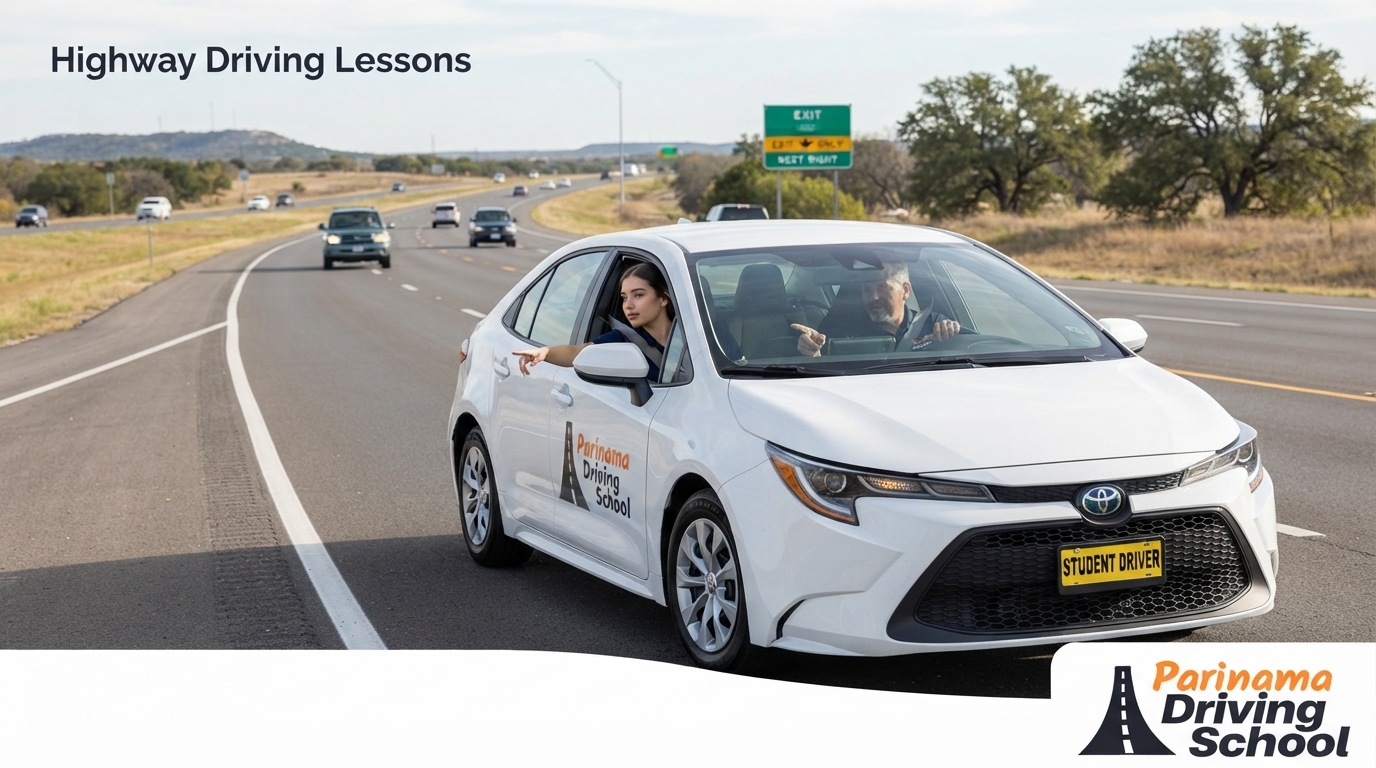
Highway driving presents unique challenges compared to local roads, necessitating a different skill set. New drivers should familiarize themselves with high-speed traffic and how to maintain a safe distance from other vehicles. Highways often have higher speed limits and less room for error, making it essential to be vigilant and responsive.
Highways vs. City Roads
| Feature | Highways | City Roads |
|---|---|---|
| Speed Limit | Higher (typically 55–75 mph) | Lower (usually 25–45 mph) |
| Traffic Density | Lower on average | Higher, especially during peak hours |
| Intersections | Limited, primarily interchanges | Frequent stoplights and intersections |
| Lane Changes | More critical due to speed | Less urgent but still important |
Key Skills for Highway Driving
To drive safely on highways, new drivers must develop critical skills, including:
- Speed Management: Adjust your speed according to traffic flow while adhering to posted limits.
- Lane Discipline: Stick to your lane unless changing is necessary and safe.
- Situational Awareness: Regularly check mirrors and be aware of surrounding vehicles. For example, you might see a vehicle in your blind spot, requiring you to adjust your speed or positioning.
- Effective Communication: Use your turn signals well in advance of lane changes or exits. Ensure you are clear to all other drivers to avoid collisions.
Best Practices for Merging and Exiting
When merging onto the highway or exiting, follow these key practices:
- Merging: Accelerate in the on-ramp lane to match the speed of highway traffic. Use mirrors and check blind spots before changing lanes. For instance, if you notice a gaps in traffic, this will help facilitate a smooth merge.
- Exiting: Signal well in advance. Use the deceleration lane to slow down rather than abruptly stopping on the highway. It is important to understand that abrupt moves can lead to accidents, so give yourself enough time to adjust your speed.
Dealing with Various Weather Conditions
Weather can significantly impact highway driving. For instance:
- Rain: Reduced visibility and slippery surfaces require drivers to increase following distance and reduce speed. Use headlights to increase visibility.
- Fog: Decrease speed and use low-beam headlights for better visibility.
- Snow/Ice: Maintain increased caution, reduce speed, and consider using winter tires for better traction.
For additional safety tips, refer to the National Highway Traffic Safety Administration, which provides comprehensive guidelines for various driving conditions.
Importance of Road Signs and Signals
Road signs and signals are crucial in highway driving. They provide information on speed limits, lane usage, and upcoming hazards. Understanding these signs ensures compliance with traffic laws. For example, signs indicating upcoming exits or lane changes help you prepare in advance, preventing last-minute adjustments that could lead to accidents.
Checklist for New Highway Drivers
- Practice regular highway driving experiences.
- Review traffic laws and regulations related to highways.
- Ensure vehicle is in good working condition, checking brakes and tires.
- Prepare for adverse weather conditions by checking forecasts.
- Maintain a safe distance from other vehicles.
Summary
Highway driving requires a unique skill set and understanding of traffic laws, safe merging practices, and situational awareness. By familiarizing yourself with these concepts and practicing regularly, new drivers can enhance their highway driving abilities effectively.
Call to Action
Ready to master your highway driving skills? Start practicing today and consider enrolling in a specialized driving course for more guided experience. Stay safe and informed on the road!
Frequently asked questions
- What should I do if I feel nervous about highway driving?
- Consider practicing with a licensed driver who has experience in highway driving.
- How fast should I drive on the highway?
- Always adhere to posted speed limits, which typically range from 55-75 mph.
- Can I use cruise control on the highway?
- Yes, but disengage in heavy traffic or adverse weather conditions.
Written by
Parinama Driving School Team
Parinama Driving School is a Texas DPS–authorized driving school in Austin & San Antonio, helping adults, teens, and new residents get licensed with behind-the-wheel lessons and third-party road tests, 7 days a week.
Book a lesson with our instructorsRelated Texas driving guides
Cost of Getting a Driver's License in Texas 2026: A Complete Guide
Discover the cost of getting a driver's license in Texas in 2026. Learn about fees, requirements, and how Parinama Driving School can guide you through the process.
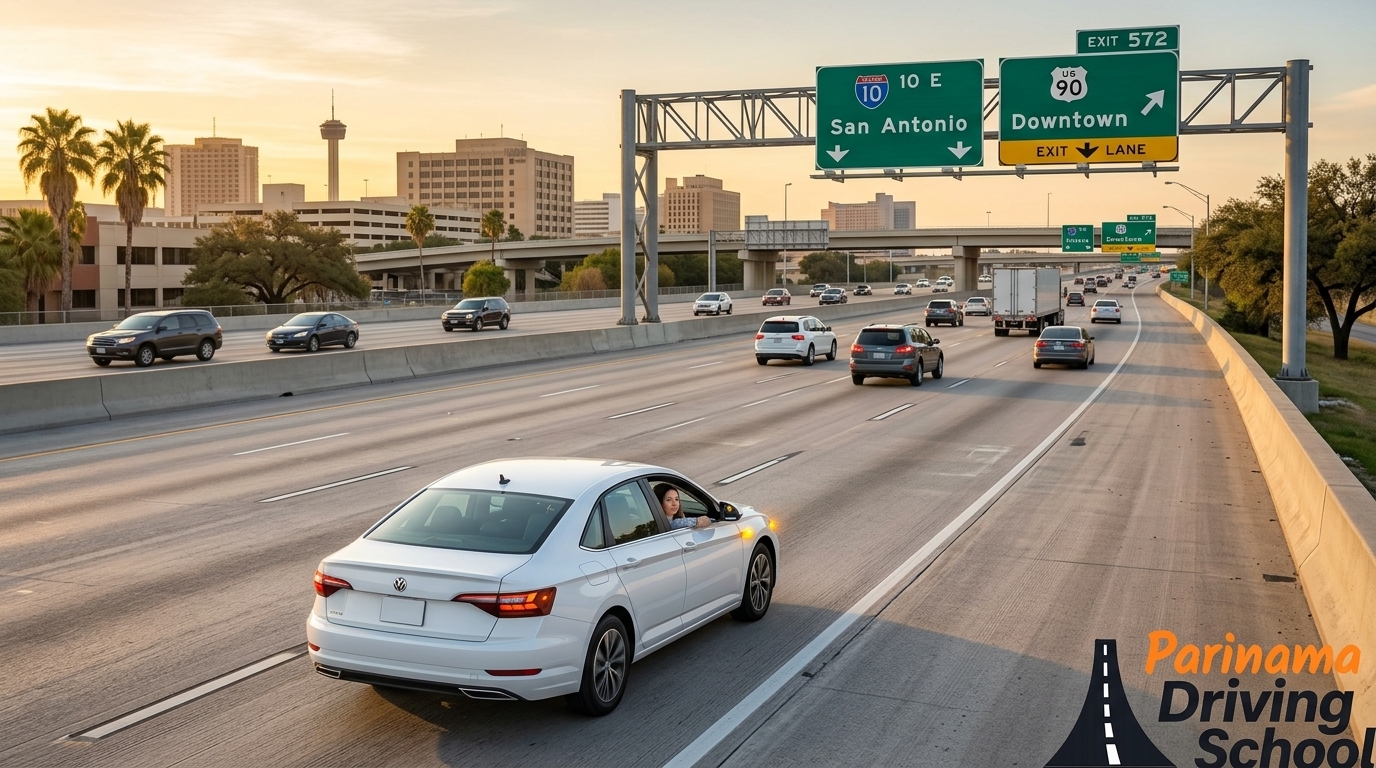
How to Merge on I-10 in San Antonio: Essential Tips
Navigating I-10 in San Antonio can be challenging, especially when merging. This guide provides step-by-step instructions to ensure safe and confident merging.
Essential First Time Driving Alone Tips for New Drivers
Embarking on your first solo drive can be both exciting and nerve-wracking. Our essential tips will help you navigate this milestone safely and confidently.